
Commercial Auto Insurance That Fits How Your Business Operates
Does Your Personal Auto Policy Cover Business Use?
Many business owners assume their personal auto policy will cover occasional work use—but that’s not always the case. Accidents that happen while driving for business purposes can fall outside personal coverage, creating unexpected risk. The good news is that commercial auto and HNOA coverage are designed to fill those gaps. K & B Insurance, LLC helps Massachusetts businesses separate personal and business use so coverage holds up when it matters.
Guidance for Common Business Driving Situations
Using Personal Vehicles for Work
If employees use their own cars for errands, deliveries, or client visits, personal policies may not apply. Hired and non-owned auto (HNOA) coverage helps protect your business in these situations.
Owning or Operating Business Vehicles
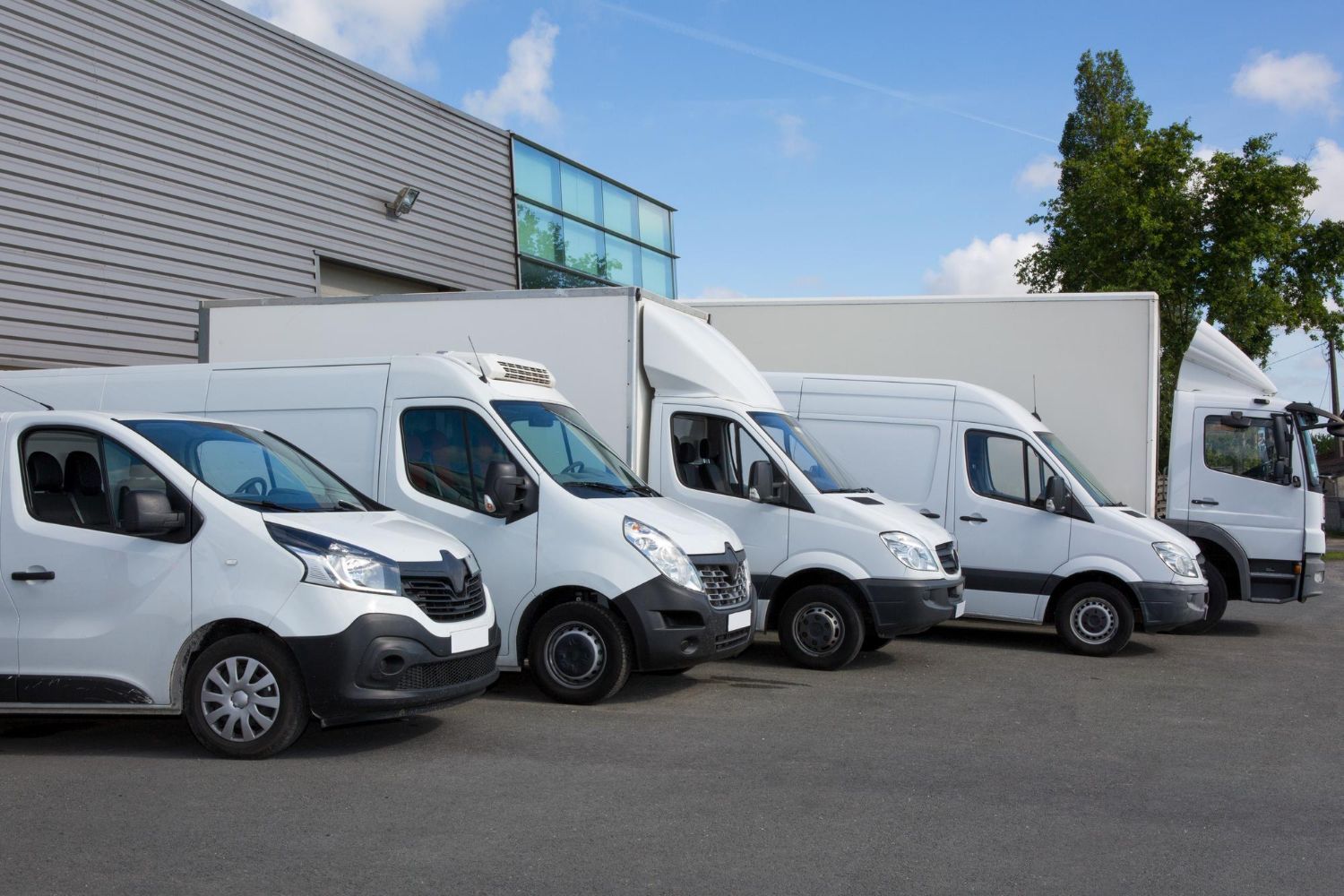
If your business owns cars, trucks, or vans, you’ll need commercial auto insurance. This coverage is built specifically for vehicles used in daily operations.
Renting or Borrowing Vehicles
Short-term rentals or borrowed vehicles for business use can create liability exposure. HNOA coverage helps extend protection beyond owned vehicles.
Delivery or Service-Based Businesses
If driving is part of your operations—like deliveries or job-site visits—commercial auto coverage helps protect against accidents and claims tied to that work.
Where Commercial Auto Coverage Can Fall Short
Relying on personal auto policies
Personal coverage often excludes business use, which can leave claims uncovered.
Not distinguishing owned vs. non-owned vehicles
Businesses may need both commercial auto and HNOA depending on how vehicles are used.
Missing key liability limits
Low limits may not fully protect your business in a serious accident.
Overlooking employee driving exposure
Even occasional employee driving for work can create risk without the right coverage.
How to Choose the Right Business Auto Coverage
Separate Business and Personal Use
Start by identifying when and how vehicles are used for work. This determines whether you need commercial auto, HNOA, or both.
Review Who Is Driving
Employees, owners, or contractors using vehicles for business all create different exposures that should be addressed in your policy.
Match Coverage to Operations
Delivery services, contractors, and office-based businesses all have different needs. Coverage should reflect your daily operations—not a generic template.
Plan for Growth
As your business adds vehicles or employees, your policy should scale with those changes.
Coverage Options Explained Clearly
Liability Coverage
Helps cover bodily injury and property damage if your business is responsible for an accident.
Collision Coverage
Covers damage to your vehicle from an accident, regardless of fault.
Comprehensive Coverage
Protects against non-collision events like theft, vandalism, or weather damage.
Medical Payments Coverage
Helps cover medical expenses for drivers and passengers after an accident.
Uninsured / Underinsured Motorist Coverage
Provides protection if the other driver doesn’t have enough insurance.
Hired and Non-Owned Auto (HNOA)
Covers business liability when employees use personal, rented, or borrowed vehicles for work.
Ready to Get the Right Auto Coverage in Place?
The next step is working with a team that understands how Massachusetts businesses actually use vehicles day to day. K & B Insurance, LLC makes it easier to choose the right mix of coverage so you’re not left guessing.
What to Expect When You Get Started
Getting commercial auto insurance starts with understanding how your vehicles are used. You’ll review drivers, vehicle types, and business activities to make sure nothing is missed. From there, you’ll see clear coverage options tailored to your operations. The goal is simple: protection that fits your business without unnecessary complexity.
Simple Process:
1
Share details about vehicles, drivers, and usage.
2
Review coverage options, including HNOA if needed.
3
Activate your policy and confirm coverage details.
4
Update coverage as your business grows or changes.
Your Questions, Answered Clearly
Does my personal auto policy cover business use?
In many cases, no. Personal auto policies often exclude or limit coverage when a vehicle is used for business purposes.
What is hired and non-owned auto coverage?
HNOA coverage helps protect your business when employees use personal vehicles or when vehicles are rented or borrowed for work-related tasks.
Do I need commercial auto for deliveries?
Yes, if your business relies on vehicles for deliveries or regular work use, commercial auto insurance is typically needed to properly cover that exposure.
What’s the difference between commercial auto and HNOA?
Commercial auto covers vehicles your business owns, while HNOA covers liability from vehicles your business does not own but uses for work.
Make Sure Your Business Driving Is Properly Covered
Businesses across Massachusetts rely on K & B Insurance, LLC for clear guidance and dependable support. Whether you have a single vehicle or a growing fleet, we’ll help you build coverage that matches how you operate.